
TMJ Issues
Top Quality Perrysburg TMJ Issues
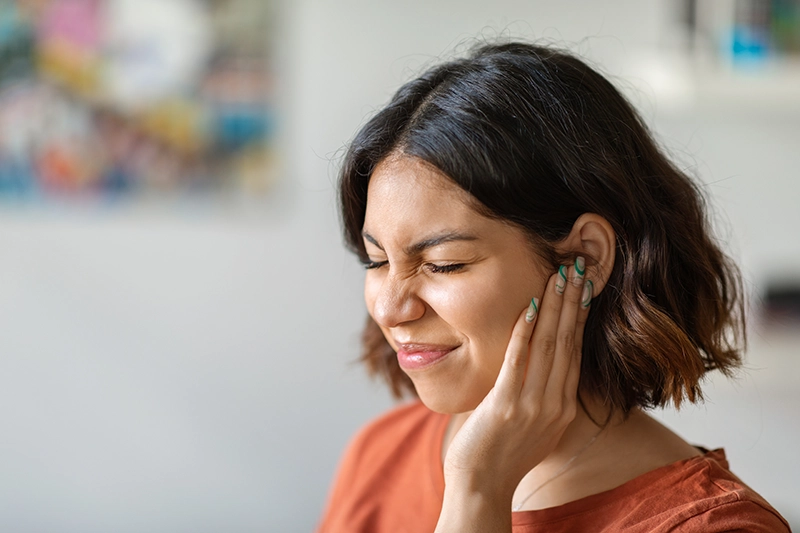
Temporomandibular Joint Disorder (TMJ/TMD) can interfere with everyday activities like eating, speaking, and sleeping. At Dental Innovations in Perrysburg, we provide personalized TMJ treatment solutions to help patients find relief from jaw pain, tension, and discomfort.
The temporomandibular joint connects the jaw to the skull and plays an essential role in jaw movement. When this joint becomes strained, inflamed, or misaligned, it can lead to chronic pain, headaches, jaw stiffness, and difficulty opening or closing the mouth.
Our team works to identify the underlying cause of your TMJ symptoms and develop a customized treatment plan focused on improving comfort, restoring function, and protecting your long-term oral health.
Find Relief from TMJ Pain
Jaw pain, headaches, clicking sounds, and facial tension can all be signs of TMJ disorder. Let our Perrysburg dental team help identify the cause of your discomfort and develop a treatment plan designed to improve your quality of life.
What Are TMJ Issues?
TMJ issues refer to problems affecting the temporomandibular joint and the surrounding muscles that control jaw movement. These conditions are commonly referred to as TMJ disorder or TMD.
TMJ disorders can develop from several factors, including teeth grinding (bruxism), jaw clenching, stress, arthritis, injury, or bite misalignment. Symptoms may range from mild discomfort to chronic pain and limited jaw function.
Common symptoms of TMJ issues include jaw pain, headaches, clicking or popping sounds, facial soreness, ear pain, and difficulty chewing or opening the mouth fully. Left untreated, TMJ disorders can worsen over time and affect daily quality of life.
Treatment options vary depending on the severity and cause of the condition and may include bite guards, lifestyle changes, bite adjustments, or other conservative therapies designed to reduce strain on the jaw joint.
TMJ FAQ
Benefits of TMJ Treatment
- Reduces jaw pain and tension
- Helps minimize headaches and facial soreness
- Improves jaw movement and function
- Reduces clicking and popping sensations
- Helps prevent damage from teeth grinding
- Improves comfort while eating and speaking
- Supports healthier jaw alignment
- May improve sleep quality
- Protects teeth from excessive wear
- Enhances overall quality of life